Intellify Blog / Workforce Strategy
Healthcare Staffing Technology for a More Responsive Workforce
Healthcare staffing technology should respond faster, reduce friction, and improve visibility. How Intellify supports smarter staffing decisions.
By Intellify ·
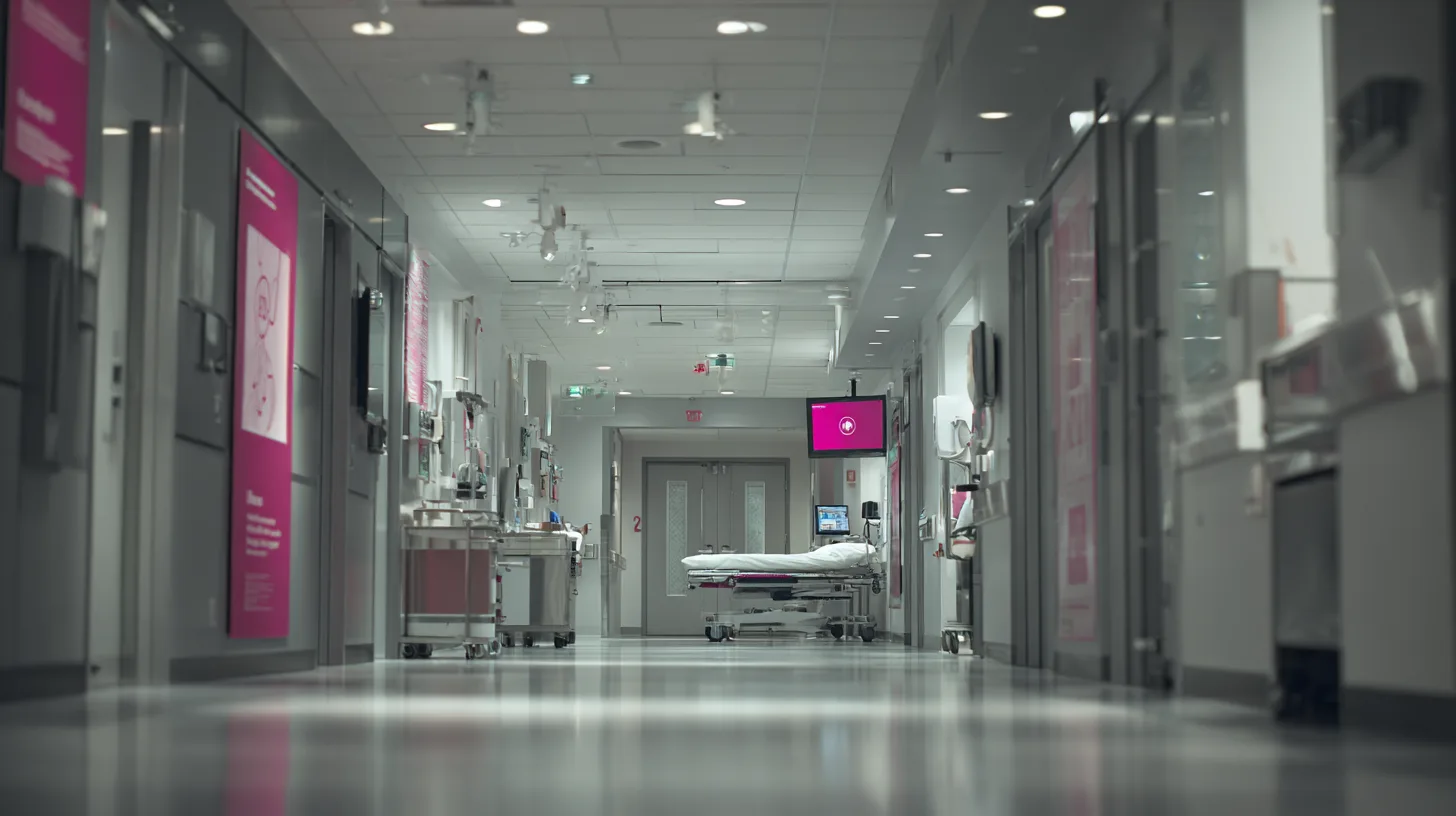
Healthcare staffing is still under pressure, but the reason to modernize is no longer a temporary emergency. It is the day-to-day reality of managing labor demand, coverage gaps, scheduling complexity, and workforce expectations in a sector that continues to grow faster than average. When staffing conditions change quickly, leaders need technology that helps them see more, act sooner, and reduce the friction that slows response.
That is why the stronger hook is not COVID-19. It is capability. Healthcare organizations need staffing technology that supports a more responsive workforce model now, not just a tool built for crisis-era volume spikes. AHA's workforce guidance points to redesigned staffing models, evolving workforce roles, and a stronger foundation for AI-enabled value, which makes this a current operational issue, not a historical one.
Why Healthcare Staffing Technology Needs a New Story
For a while, a lot of staffing technology messaging was built around the shock of the pandemic. That made sense at the time. It does not hold up as the primary story anymore.
The better story is that healthcare workforce complexity did not disappear when the emergency phase did. Hospitals and health systems are still dealing with shortages, burnout pressure, rising demand for care, and the need to redesign how staffing works. AHA's 2026 workforce guidance is explicit that organizations are redesigning staffing models and workflows, improving engagement and well-being, redefining workforce needs and roles, and building the foundation for AI to deliver value.
That shift matters because staffing technology should not be sold as a reaction to a past moment. It should be positioned as part of how healthcare organizations build a stronger workforce model going forward.
What Healthcare Staffing Technology Should Actually Do
The best healthcare staffing technology does more than move requests through a workflow. It should help organizations improve visibility into workforce activity, reduce manual drag, support changing staffing models, and make faster, better-informed decisions when conditions shift. AHA's guidance on AI and workflow design says tools should reflect real-world workflows and support operational efficiency as adoption scales. That means staffing technology should help leaders answer practical questions quickly:
- Where is staffing pressure building?
- Which gaps are recurring?
- How fast can the organization respond?
- What action needs to happen next?
- How does staffing activity connect to broader workforce strategy?
If the system cannot help answer those questions, it is probably doing less than the organization needs.
5 Reasons Healthcare Staffing Technology Matters Now
1. Demand Is Still High
This is the most obvious reason. BLS projects healthcare occupations to grow much faster than average from 2024 to 2034, with about 1.9 million openings each year on average due to growth and replacement needs. That kind of sustained demand means staffing pressure is not a passing cycle. It is a structural challenge.
2. Staffing Models Are Changing
AHA says hospitals and health systems are redesigning staffing models and workflows with team-based approaches. That means older staffing tools built around rigid, static assumptions are increasingly out of step with how organizations need to operate now.
3. Manual Drag Still Slows Response
Staffing friction still shows up in familiar ways: repeated follow-up, disconnected handoffs, delayed visibility, and too much effort spent pulling together a workforce picture that should already be clear. AHA's AI and workflow guidance emphasizes operational efficiency and optimizing workflows, which reinforces the need to reduce manual burden instead of layering more process on top of it.
4. Better Visibility Is a Competitive Advantage
In a complex labor environment, the organizations that can see staffing conditions more clearly are better positioned to act quickly. Better visibility is not just a reporting benefit. It supports stronger decision-making, more credible planning, and faster operational response. That aligns directly with the AHA's current workforce direction.
5. AI Needs a Stronger Operating Foundation
AHA says health systems are building the foundation for AI to deliver value. That is an important point because AI does not fix disconnected workflows by itself. Better staffing technology helps create the visibility and structure that make more advanced capabilities more useful in practice.
Why Older Staffing Technology Framing Falls Short
The old pitch was often about digital rescue during a moment of crisis. That framing now feels too narrow and too dated.
Healthcare leaders are not just looking for emergency throughput. They are looking for a stronger workforce operating model. They need technology that helps them manage complexity over time, not just survive a surge. In a sector still facing workforce shortages, rising burnout, and growing demand, the value of staffing technology should be framed around responsiveness, visibility, and decision support, not around a historical emergency hook.
How Intellify Fits the Stronger Story
Intellify is better positioned as a workforce intelligence platform than as a tool defined by an old crisis narrative. That matters because the stronger value story is about helping healthcare organizations see workforce activity more clearly, respond faster when staffing pressure builds, and connect staffing workflows to broader workforce strategy.
That broader positioning lines up with where the market is headed. AHA is pointing toward staffing redesign, AI foundations, and more strategic workforce operations. A workforce intelligence platform is a stronger fit for that environment than messaging built around disruption alone.
With Intellify, healthcare organizations can support a more responsive staffing model through stronger visibility, more connected workforce operations, and faster follow-through across staffing workflows. Intellify Agents add to that by supporting action across alerts, tasks, and workflow steps that often slow teams down when handled manually.
Signs Your Staffing Technology Story Needs an Update
Healthcare organizations may need a stronger platform approach if any of the following feel familiar:
- the technology still sounds built for a past crisis instead of current operations
- staffing workflows are digital, but visibility is still weak
- leaders can process requests, but not see trends clearly
- follow-through is still too manual
- workforce planning and staffing execution still feel disconnected
- the organization wants more AI value, but the operational foundation is not there yet
Those are signs the issue is not just software age. It is narrative and capability fit.
Better Staffing Technology Starts With a More Relevant Problem
The real problem is not "how did the pandemic change healthcare staffing?" The real problem is "how do healthcare organizations build a staffing model that is more responsive now?"
That is the better story because it is current, durable, and more useful. BLS projections and AHA workforce guidance both point to an environment where staffing pressure, workforce redesign, and technology-enabled decision-making will keep mattering for years, not months.
Final Takeaway
The stronger version of this story is not about how COVID-19 inspired technology. It is about why healthcare organizations still need better staffing technology now: continued workforce demand, changing staffing models, reduced tolerance for manual drag, and the need for faster, better-informed decisions. BLS projects about 1.9 million healthcare openings per year on average through 2034, and AHA says health systems are redesigning staffing models and workflows while building the foundation for AI-enabled value.
Intellify fits that more current story as a workforce intelligence platform. It helps healthcare organizations move beyond outdated staffing technology narratives and toward a more responsive approach to workforce operations.